Article: Crafted, Not Copied: What Makes a True Custom Steering Wheel

Crafted, Not Copied: What Makes a True Custom Steering Wheel
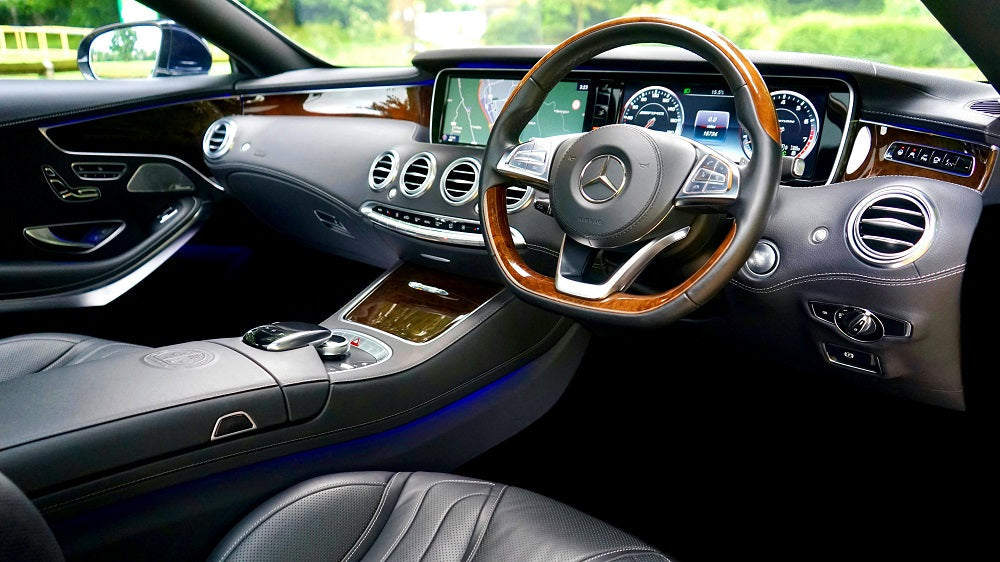
Sweaty palms on that slippery factory wheel during a hairpin turn? Ditch the stock chokehold- discover how a true carbon steering wheel changes the way a performance car responds when it's actually driven hard.
Most drivers don't think twice about the steering wheel until it lets them down. Everything feels fine at cruising speed. Then the road tightens, hands heat up, grip fades, and suddenly the most important contact point in the car feels wrong. That's usually the moment people realize the wheel wasn't designed for driving like this.
Why Stock Steering Wheels Compromise Performance
Factory wheels carry inherent compromises that surface during spirited driving or track use. Thick foam padding beneath the leather wrap dampens vibration for comfort but also filters out critical feedback. When trying to detect weight transfer or sense the onset of understeer, that foam layer acts as a barrier. The information is there, but it arrives muffled.
Production economics demand one-size-fits-all designs. A steering wheel needs to work for drivers ranging from 5'4" to 6'2" with varying hand sizes. The result is adequate for everyone but optimal for no one. Factory leather prioritizes appearance and longevity over grip. Under sustained pressure and elevated temperatures, it becomes slippery.
Most factory performance wheels measure 380-400mm in diameter with thick grip sections. Larger diameters reduce parking effort but decrease precision during dynamic driving. Hands travel farther through corners, and small corrections require more wrist movement.
What a Proper Custom Wheel Changes
A well-executed custom steering wheel addresses these limitations systematically. A properly built Porsche 911 steering wheel, for example, feels immediately different once steering inputs become faster and more deliberate under load. Factory wheels typically weigh 4-6 pounds. A properly constructed carbon fiber wheel reduces this to 2-3 pounds, affecting rotational inertia. A lighter wheel requires less effort to turn quickly and returns to the center more naturally.
Custom builds typically range from 320mm to 370mm. A reduction from 380mm to 350mm translates to noticeably quicker steering response and reduced hand travel. On vehicles with already-quick steering ratios, a smaller diameter wheel can sharpen an already responsive system.
Factory wheels feature round or slightly oval cross-sections. Custom wheels often employ D-shaped or flattened profiles that better match the natural curve of a closed grip, providing more consistent contact area and reducing hand fatigue during extended sessions.
The Carbon Fiber Advantage
Carbon fiber provides exceptional rigidity relative to weight. This stiffness means minimal flex under load, translating to more direct feedback. When the steering rack moves, the wheel moves precisely that amount with no additional compliance.
Carbon fiber doesn't absorb and retain heat like foam-backed plastic. During track sessions in warm weather, the wheel remains cooler, and hands don't fatigue as quickly. Properly cured carbon fiber also dampens high-frequency vibrations while transmitting low-frequency inputs with clarity, filtering distractions while preserving information that informs driving decisions.
Alcantara, when properly sourced and applied, maintains grip even when saturated with perspiration. Unlike leather, which becomes increasingly slippery as hands heat up, quality Alcantara provides consistent tactile feedback regardless of conditions.
Custom vs. Cosmetic: Knowing the Difference
The market includes significant variation in what "custom" actually means. Re-wrap services take a factory wheel, remove the original covering, and wrap new material over the existing structure. The result looks better, but the fundamental compromises remain- same diameter, same thickness, same foam core.
True custom fabrication starts from scratch with purpose-designed cores. Diameter gets chosen based on the specific vehicle and intended use. Grip thickness is optimized for hand size. Materials are layered strategically with carbon fiber structural layers, minimal foam, and performance-oriented covering.
The distinction becomes apparent during hard driving. A re-wrap provides aesthetic improvement. A true custom build changes how inputs translate to vehicle response and how feedback travels through the steering system.
Critical Practical Considerations
Most true custom wheels don't accommodate airbag systems. For street-driven cars, this creates potential legal complications depending on jurisdiction. Steering wheel-mounted controls for cruise control, audio, and drive mode selection will be eliminated unless custom integration is specified.
Custom wheels require specific hub adapters matched to the vehicle's steering column. Installation takes 1-2 hours for someone with basic mechanical skills. Some jurisdictions have regulations regarding airbag removal even on track-only vehicles, so verifying local requirements prevents complications.
Evaluating Quality Builders
Manufacturing methodology matters significantly. Hand layup with autoclave curing produces optimal results but increases cost. Quality builders ask detailed questions about the vehicle, driving position, and hand size before fabrication. They should provide templates to verify fitment before final construction.
Material sourcing makes a difference in performance and longevity. Builders should specify carbon fiber sources, Alcantara grades, and whether leather meets automotive specifications. Portfolio examination reveals competency, particularly previous builds for the same vehicle model.
The Bottom Line
A custom steering wheel affects every moment behind the wheel. Factory wheels are engineered for mass market acceptance, not for drivers who regularly explore vehicle limits. For those who do, a properly executed custom wheel addresses genuine functional limitations with tangible benefits.
The critical factor is understanding what's actually being purchased. A re-wrap provides aesthetic improvement with minimal functional change. A true custom build transforms the primary vehicle interface through optimized dimensions, purpose-selected materials, and careful attention to ergonomic details. For drivers ready to move past factory compromises, Carbon City Customs focuses on building steering wheels that match the way the car is driven.